Miami Artificial Grass Installers for Residential & Commercial Turf Projects
Choosing artificial grass is not only about selecting a surface that looks green. Your property’s existing condition, intended use, drainage needs, surrounding hardscape, traffic level, and overall design can all influence how the installation should be planned. DLS Turf Courts provides artificial grass installation for residential and commercial projects in Miami, helping property owners plan turf around the way each outdoor space will actually be used. You can also explore our broader artificial grass installation in South Florida services for additional turf applications and installation information.
What Should You Expect From an Artificial Grass Installer in Miami?
A professional artificial grass installation should begin with the property rather than the turf alone. The installer should understand how you plan to use the space, evaluate the existing surface, review grade and water movement, consider preparation and base requirements, and plan how the turf will meet patios, pavers, landscape beds, walls, drains, or other surrounding features. The visible grass is only one component of the overall system, so site preparation and installation planning should be considered before the finished surface is selected. Industry guidance from the Synthetic Turf Council also treats the base and drainage components as important parts of an overall synthetic turf system.


Artificial Grass Solutions for Different Miami Properties
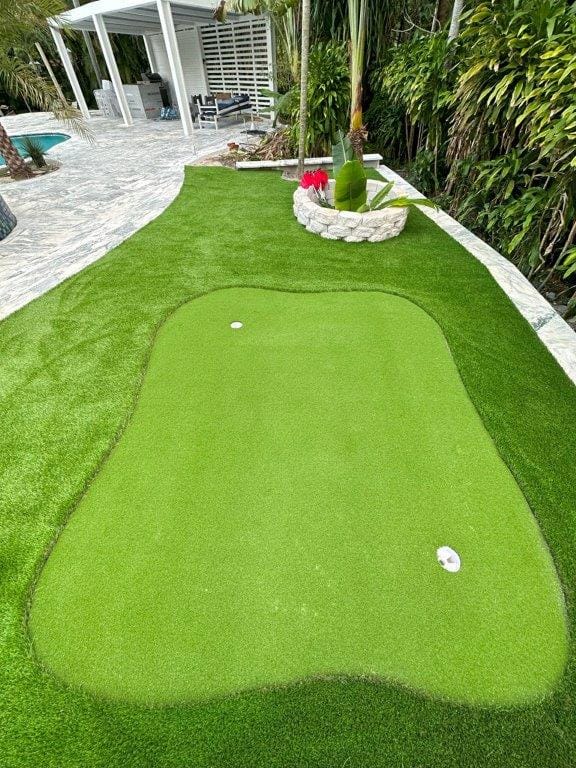
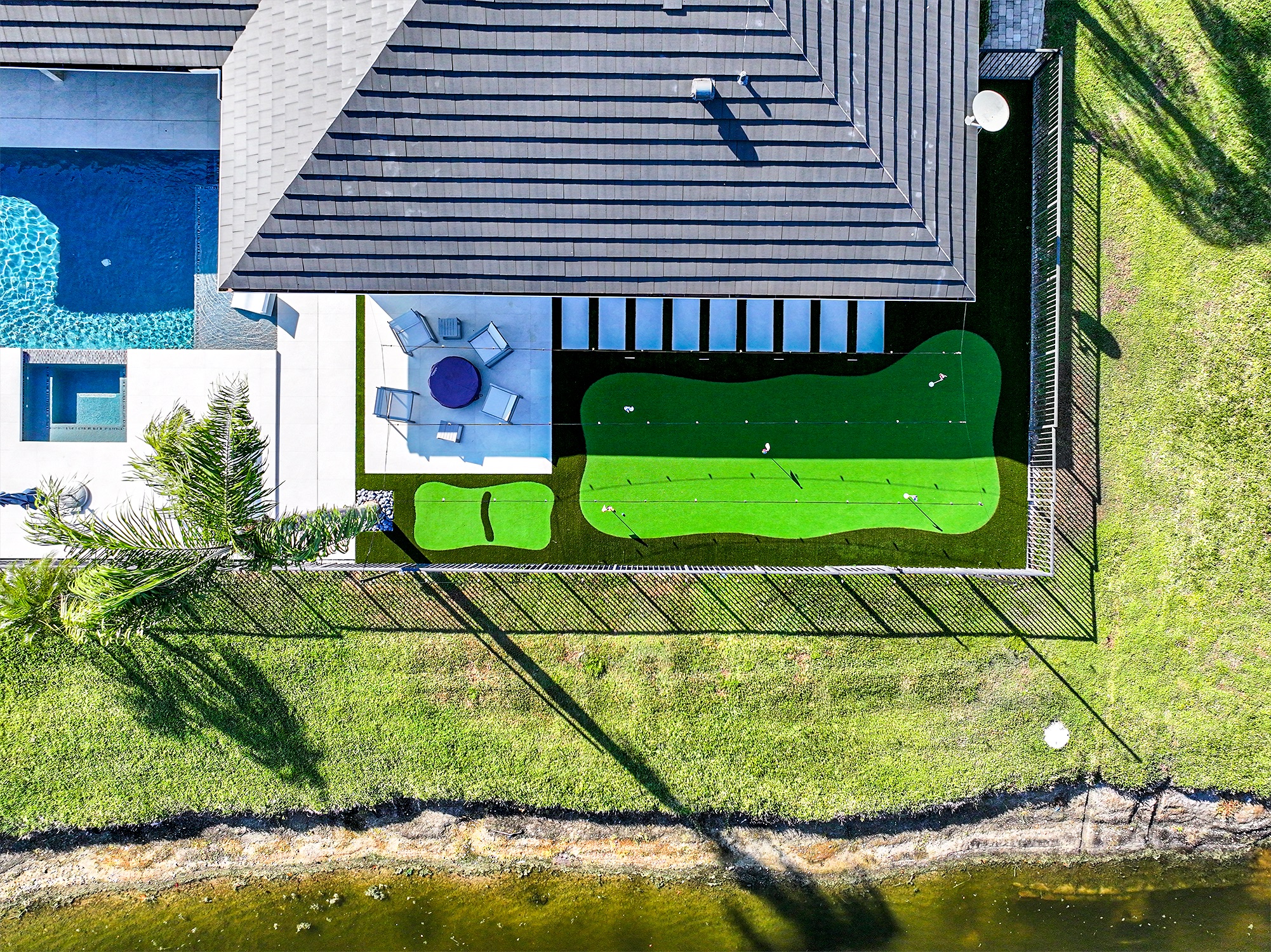
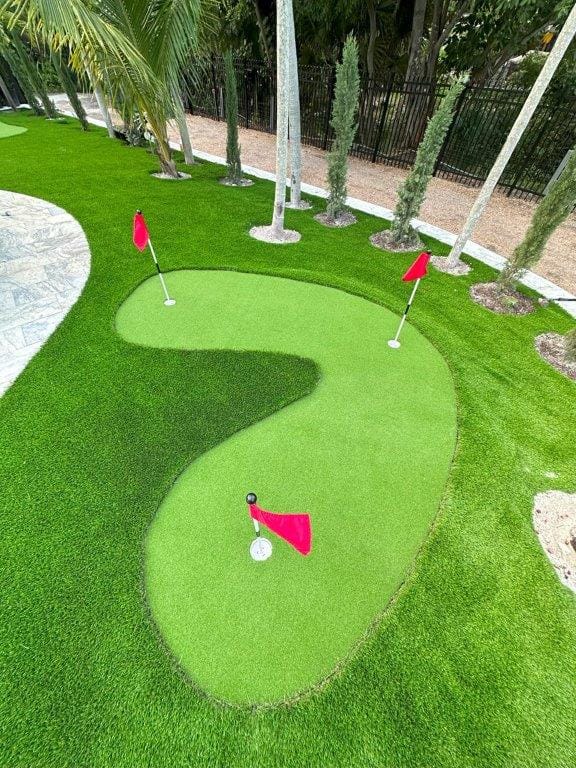
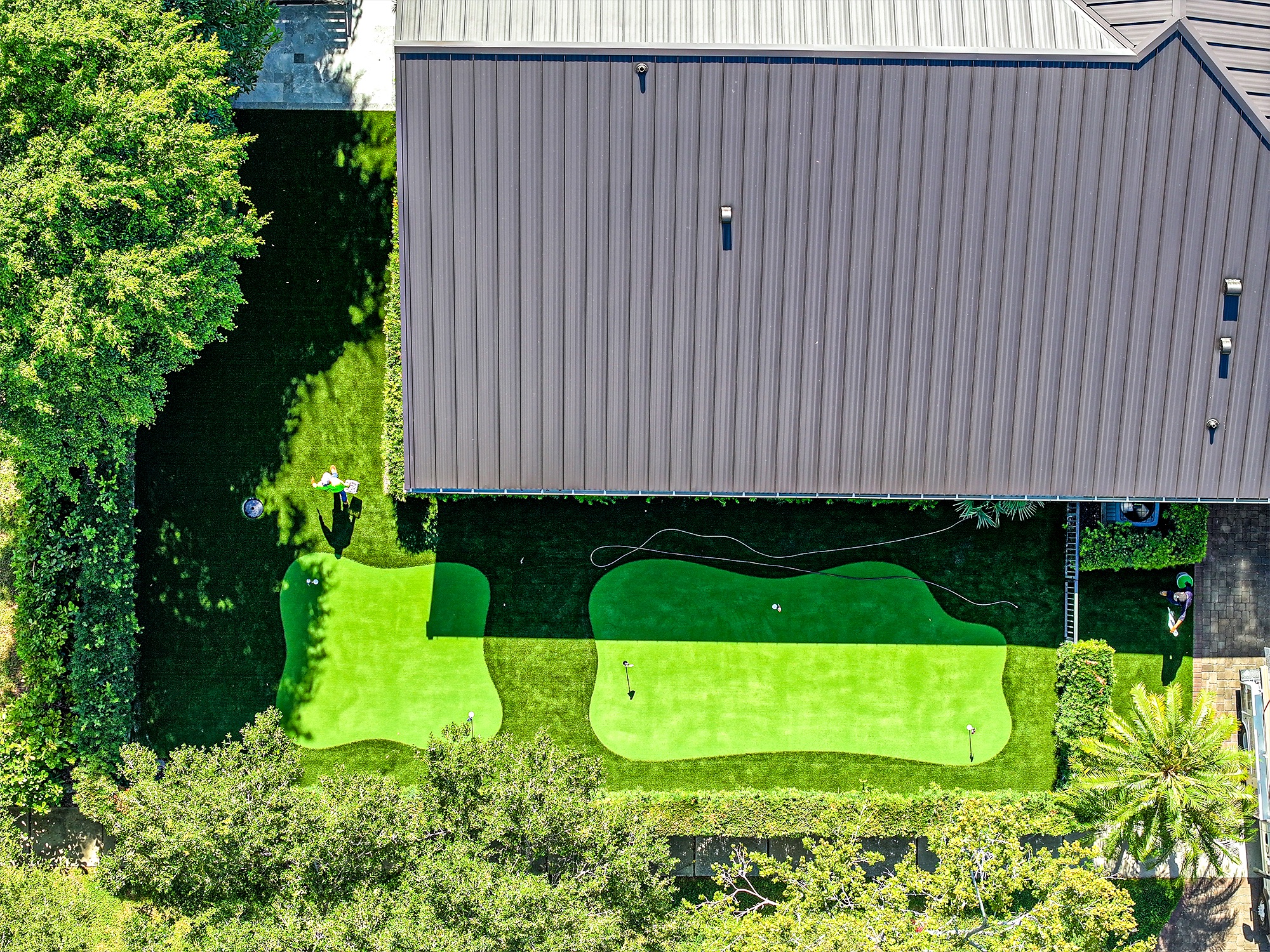
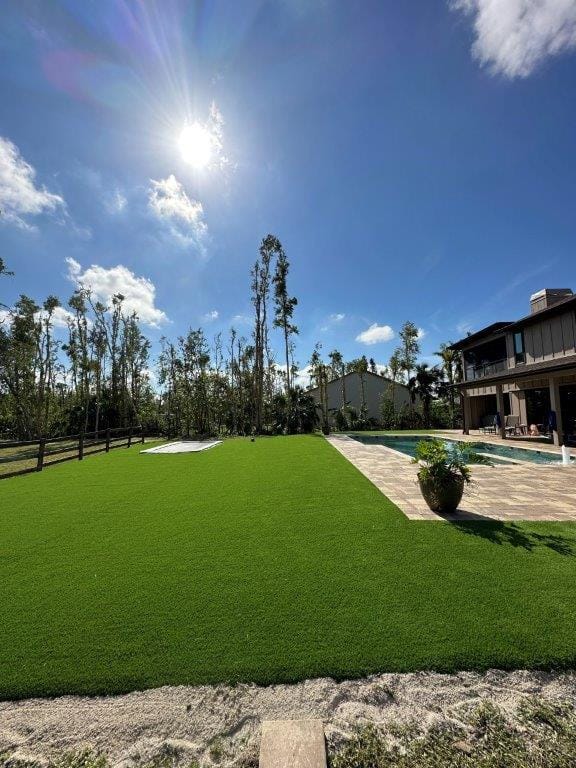
Artificial grass can serve different purposes depending on the property and the people using it. A residential backyard may prioritize appearance, recreation, children, furniture, or outdoor entertaining, while a pet area may require greater attention to cleaning access, traffic, and drainage. Poolside spaces need thoughtful transitions between turf, decking, pavers, and wet areas, while commercial properties may place more emphasis on repeated foot traffic, usable outdoor space, presentation, and maintenance planning. The appropriate solution should therefore come from the intended application rather than assuming one turf system is suitable for every project. If material selection is still part of your planning process, our guide to choosing the best artificial grass in Florida can help you understand additional selection factors.
Our Clients Reviews
REVIEWS
4.9


Why Property-Specific Turf Planning Matters
Two properties with similar dimensions may still require different installation approaches. The existing ground, intended activity, drainage pattern, access, surrounding materials, and design can change how the project should be prepared and completed.
- Intended use: A decorative lawn, pet space, recreation area, and commercial landscape have different functional priorities.
- Water movement: Existing grades and drainage conditions should be reviewed before the surface and base are finalized.
- Surrounding surfaces: Concrete, pavers, patios, landscape beds, walls, and pathways influence edges and transitions.
- Traffic patterns: Pets, children, furniture, recreation, and repeated foot traffic can affect project planning.
- Installation scope: Clear preparation, base, fitting, finishing, and cleanup details make estimates easier to compare.
A useful installation plan connects all of these factors instead of selecting turf first and trying to adapt the property around it afterward.


Where Artificial Grass Can Fit Around Your Property
Artificial turf can become part of many outdoor environments when the site and intended application are suitable. The right placement depends on how the area needs to function and how the new surface will connect with the rest of the property.
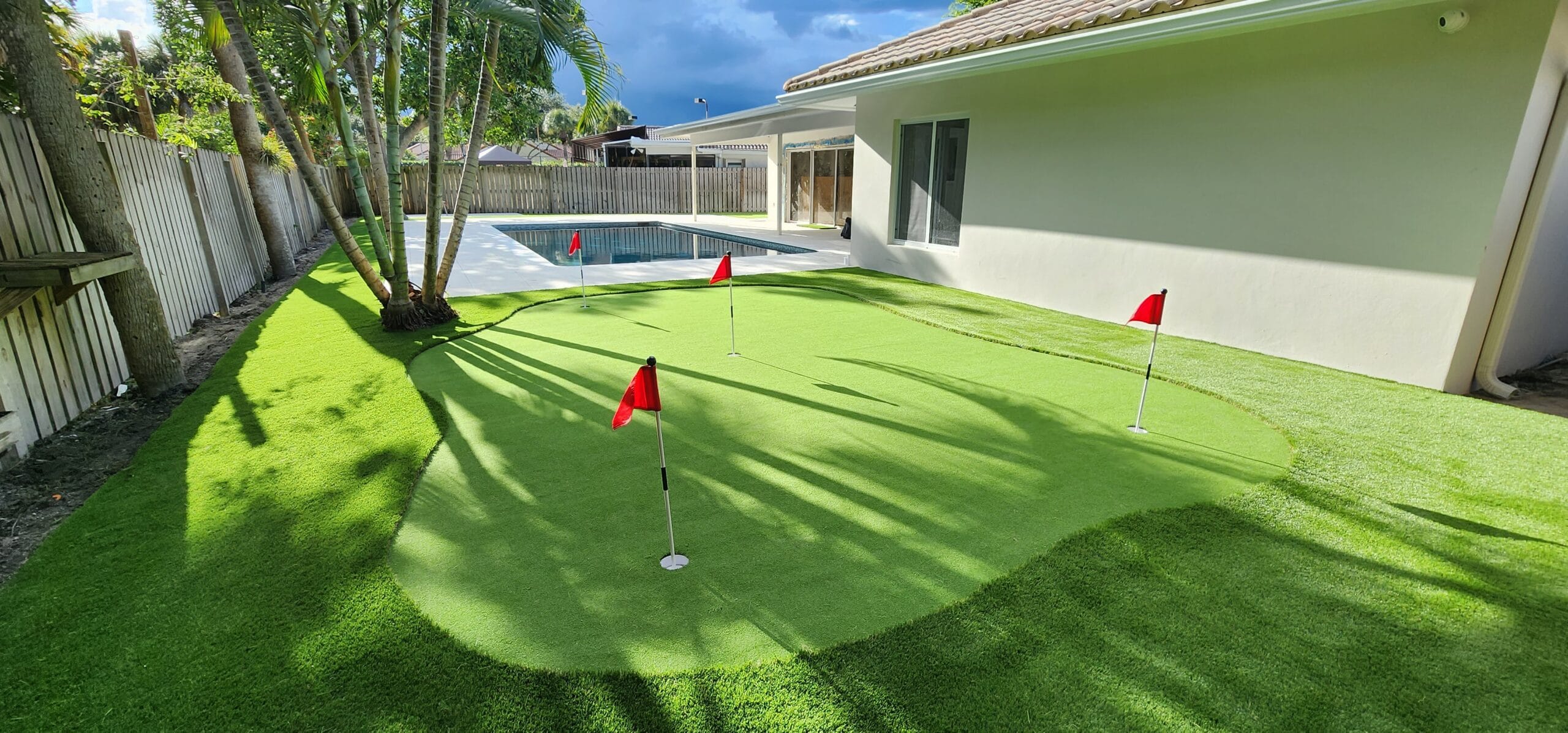
- Backyards and side yards: Create defined landscaping, entertainment, or everyday recreation spaces.
- Pet areas: Plan around regular use, cleaning access, drainage, and practical maintenance needs.
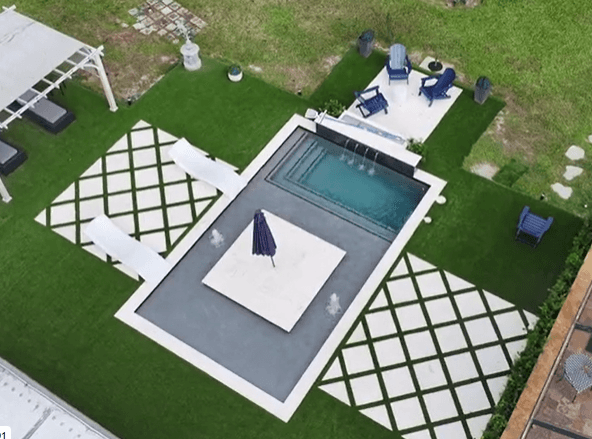
- Pool surrounds: Integrate turf with decking, pavers, walkways, furniture, and surrounding landscaping.
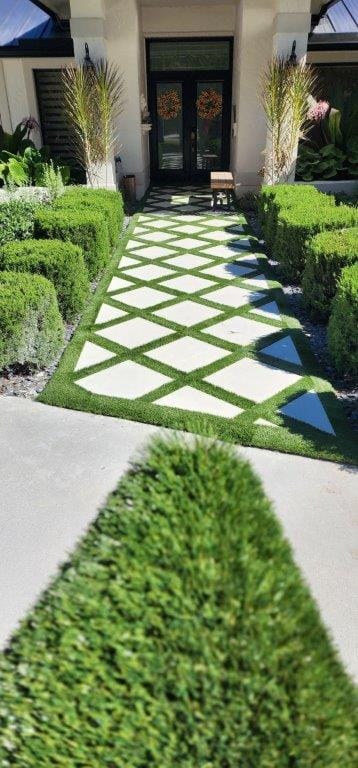
- Patios and outdoor living spaces: Use turf to connect soft landscape areas with existing hardscape.
- Commercial outdoor spaces: Plan around traffic, property presentation, access, and repeated use.
For properties used regularly by dogs, our guide to artificial grass for dogs in Florida covers pet-specific considerations in more detail. If your project is focused on a swimming area, you can also review our information about artificial grass around the pool.
How Artificial Grass Installation in Miami Works
A turf installation should move logically from understanding the purpose of the space to evaluating the property, planning the system, preparing the area, and completing the final installation.
01 — Discuss How You Plan to Use the Space
The project begins by understanding what you want the area to accomplish. Your installer should consider whether the space is intended for landscaping, pets, children, entertaining, poolside use, recreation, or commercial traffic so that later decisions reflect the property’s real purpose.


02 — Evaluate the Existing Site
The installation area should then be reviewed for dimensions, existing surfaces, grade, water movement, access, surrounding hardscape, landscape features, and physical transitions. This evaluation helps identify site conditions that may affect preparation, material planning, drainage, layout, or the overall project scope.
03 — Plan the Turf Layout and System
Once the property conditions are understood, the installer can plan turf placement, seams, edges, cuts, transitions, and other layout details. Turf characteristics should also be considered according to intended use, expected traffic, appearance preferences, surrounding features, and practical maintenance requirements.


04 — Prepare the Installation Area
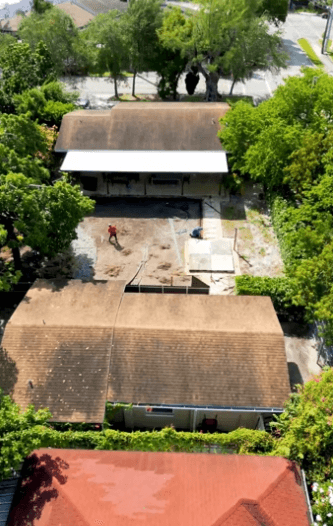
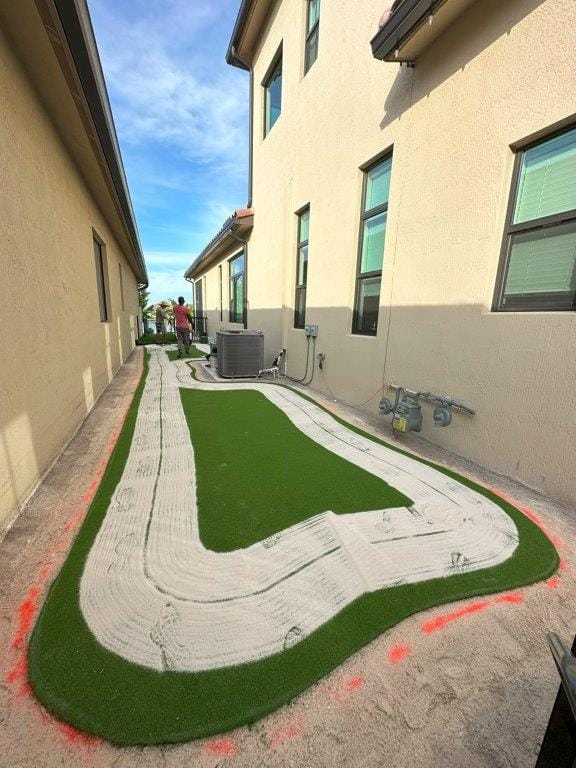
Preparation depends on what currently exists and what the completed installation requires. Existing material may need to be removed or adjusted before grading, base preparation, compaction, and related site work can be completed to create an appropriate foundation for the turf.
05 — Install, Finish and Review the Turf
After preparation is complete, the turf can be positioned, fitted, joined, secured, detailed, and finished around the planned layout. Edges, seams, transitions, and surrounding features should receive careful attention before the completed area is reviewed against the original project plan.

The exact process can vary because properties do not begin with identical surfaces, drainage conditions, layouts, access, or intended uses.
Miami Property Conditions, Rules and Approval Checks
Artificial turf planning in Miami should also consider the actual jurisdiction and property type rather than treating every Miami-area address as identical. Florida currently has statewide standards governing synthetic turf on qualifying single-family residential properties of one acre or less. Florida Statute §125.572 directs the Department of Environmental Protection to establish those standards and limits inconsistent local regulation within the statute’s scope.
- Identify the jurisdiction: Confirm which municipality or local authority applies to the actual property.
- Check property eligibility: Determine whether the statewide residential synthetic-turf standards apply to the project.
- Review private restrictions: HOA, association, deed, or community requirements may need separate consideration.
- Evaluate site conditions: Drainage, vegetation, surrounding surfaces, and existing grades still matter physically.
- Confirm project requirements: Check relevant approval or property-specific requirements before beginning work.
Florida Administrative Code Rule 62-308.100 became effective on May 19, 2026. Property owners should still verify requirements for their specific property rather than assuming that one general rule answers every installation question.


What Affects Artificial Grass Installation Cost in Miami?
Artificial grass installation does not have one meaningful price that applies to every Miami property because project scope can change considerably. Important cost factors can include the size and shape of the area, existing surface, required removal, site preparation, base requirements, drainage work, turf selection, accessibility, layout complexity, seams, edges, transitions, surrounding landscaping, and intended use. A straightforward open area can involve a very different scope from a property with curves, multiple landscape beds, existing pavers, limited access, drainage challenges, or detailed transitions. For this reason, a useful estimate should explain what work is included instead of relying only on a square-foot figure without site context.
What Determines How an Artificial Turf System Performs?
The visible turf is only part of the completed installation. Material selection, site preparation, drainage, and finishing details work together, which means each element should be considered in relation to the property and intended application.
Turf Selection and Intended Use
Turf should be selected according to what the completed space needs to accomplish rather than appearance alone. Foot traffic, pets, recreation, furniture, surrounding landscape features, cleaning expectations, and property design can all influence which characteristics deserve greater attention during project planning.

Site Preparation and Base
The prepared area creates the foundation beneath the finished surface. Existing conditions, grade, base material, compaction, surrounding features, and planned use can influence preparation requirements, so the installation method should respond to the property instead of following the same assumptions everywhere.

Drainage and Water Movement
Drainage involves more than whether water can pass through the visible turf. Existing grade, subgrade conditions, prepared base, drainage paths, surrounding hardscape, rainfall, and site-specific conditions can all influence how water should move through or away from the completed system.

Seams, Edges and Transitions
Artificial grass often meets pavers, concrete, walls, planting areas, walkways, pool decks, drains, or other property features. Planning these connections before installation helps the finished surface fit the existing layout while giving installers clearer direction for cuts, seams, edges, and finishing work.

Together, these elements create a more complete way to evaluate an installation than judging the project only by the appearance of a turf sample.
Planning an Artificial Grass Project in Miami?
If you are planning an artificial grass project in Miami, DLS Turf Courts can review your property location, approximate installation area, existing surface, intended use, design priorities, and preferred timing to help determine the appropriate next steps for the space. Contact DLS Turf Courts at +1 561-245-0721 or dls@dlsturfcourts.com to discuss your residential or commercial turf project and request an estimate.
Frequently Asked Questions
Compare how each installer evaluates the property, explains site preparation, considers drainage, recommends turf for the intended use, and defines the complete project scope. Real project evidence and clear explanations can also help you understand differences between contractors before making a decision.
Cost can vary according to area size, site condition, existing surfaces, removal work, preparation, base requirements, drainage, turf selection, accessibility, layout complexity, seams, edges, and intended use. A property-specific estimate provides more useful information than assuming one fixed rate fits every project.
There is no single accurate timeline for every artificial grass project. The duration can depend on area size, existing conditions, preparation requirements, drainage work, accessibility, layout complexity, weather, and overall project scope, so the installer should evaluate the property before providing a timeframe.
Drainage should be considered as part of the complete installation system. The turf, prepared base, existing grade, subgrade conditions, surrounding surfaces, and intended water path can all influence drainage planning, which is why site conditions should be evaluated before installation begins.
Yes. Artificial grass does not need mowing like living grass, but routine care may still include removing debris, cleaning affected areas, maintaining frequently used pet spaces, and monitoring high-traffic zones, seams, edges, transitions, or drainage areas when changes become visible.


