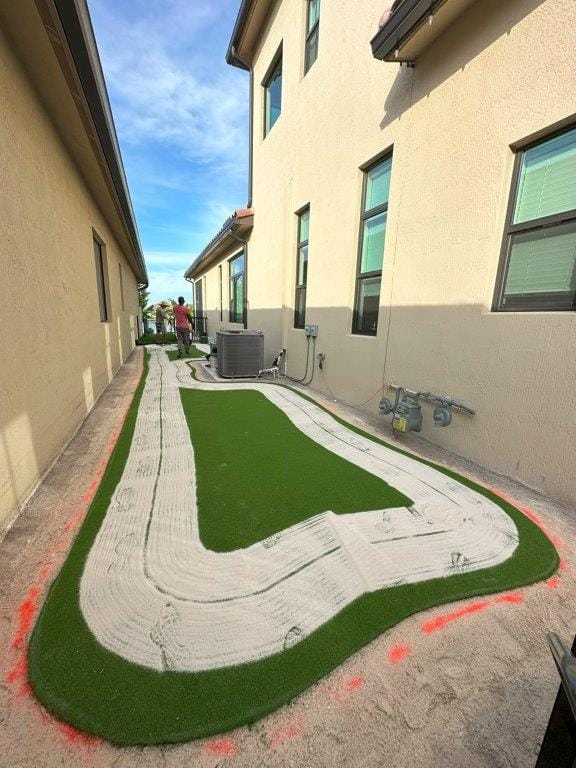
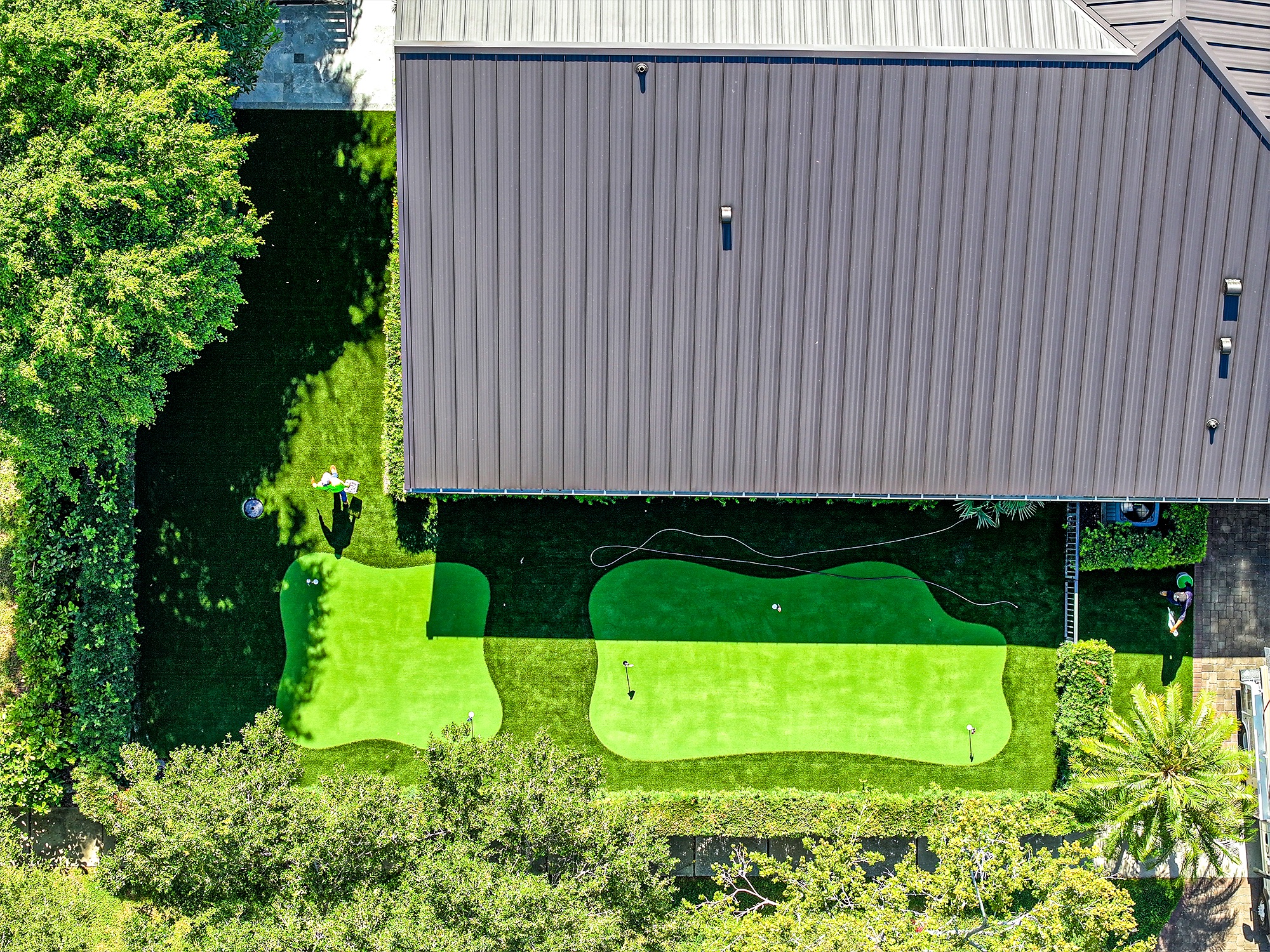
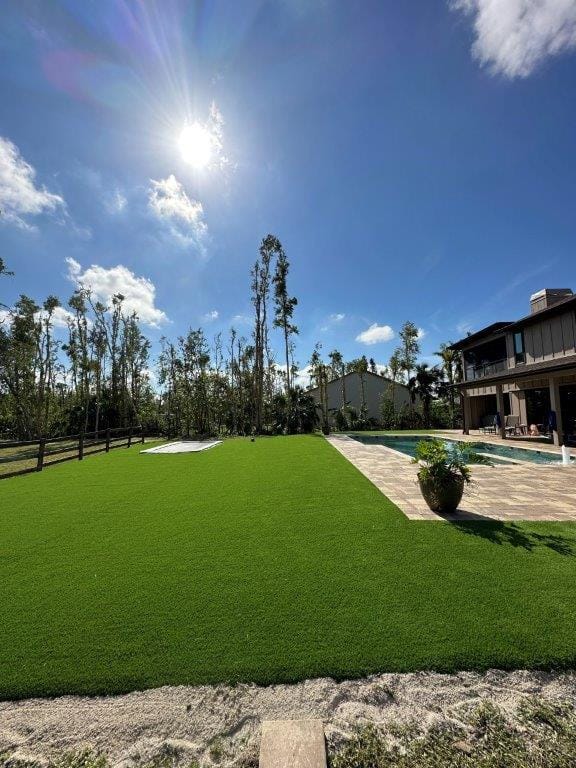
Expert Court Construction South Florida for Custom Residential, Commercial, and Sports Courts
A successful sports court starts with the right plan for the property. We provide custom court construction South Florida for homeowners, HOAs, clubs, recreational spaces, and commercial facilities. Our projects can include tennis, pickleball, basketball, padel, and multi-sport courts, with each design shaped around the available space and intended use. Site conditions, drainage, surfacing, fencing, lighting, and long-term durability all matter. South Florida also brings heat, humidity, strong UV exposure, heavy rainfall, and coastal conditions that can affect construction decisions. By considering these factors early, we can create a court that fits the site, supports the right activities, and performs reliably over time.
Custom Court Construction South Florida Properties
Custom construction lets the court work with the property instead of forcing the property into a standard design. We can develop projects for private homes, backyard spaces, HOAs, clubs, recreational areas, and sports facilities.
Residential and Backyard Courts
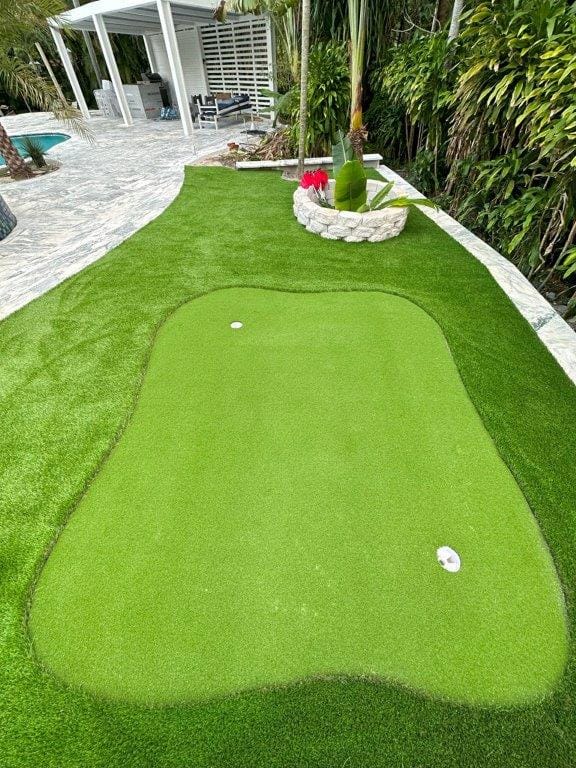
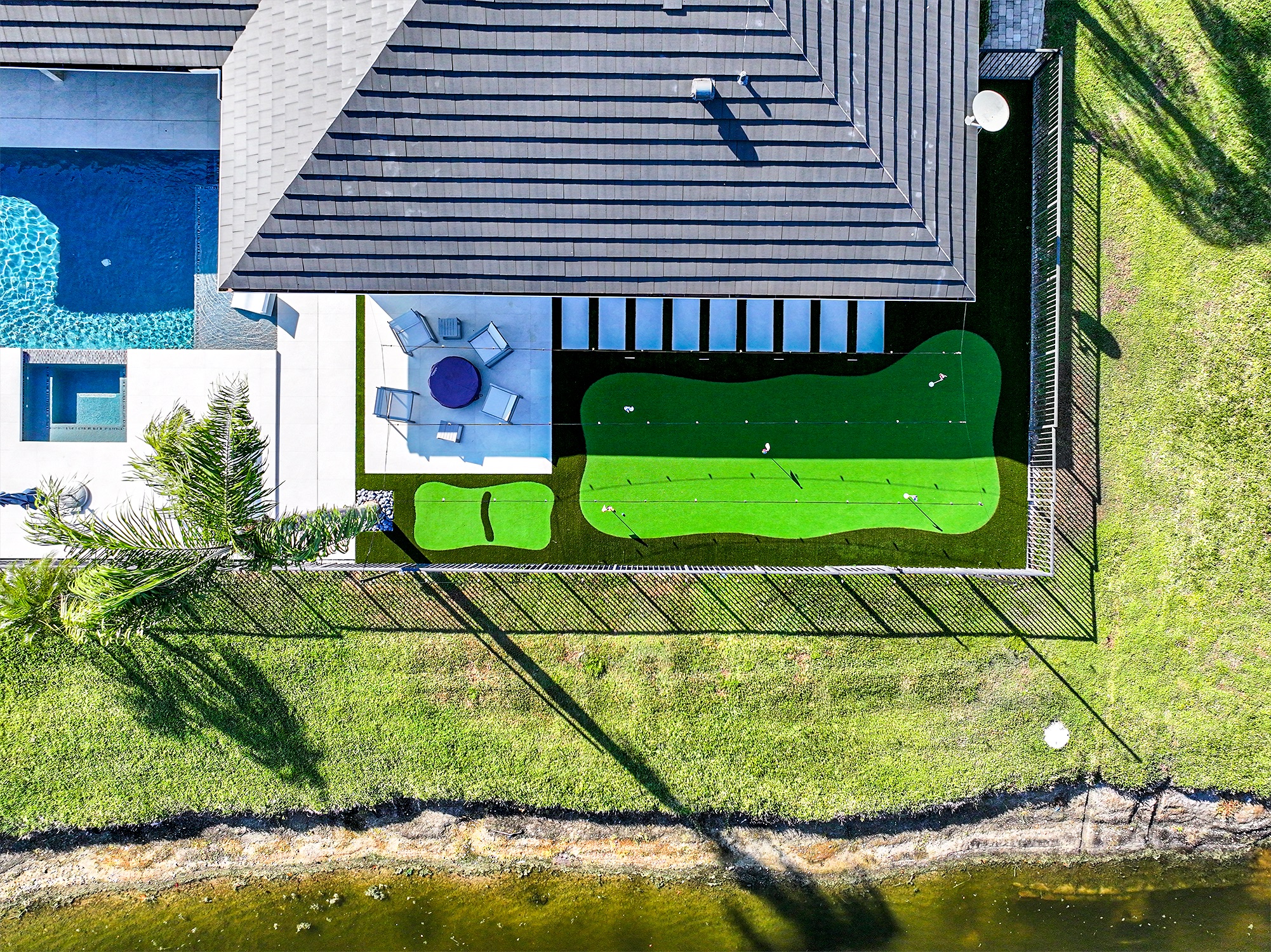
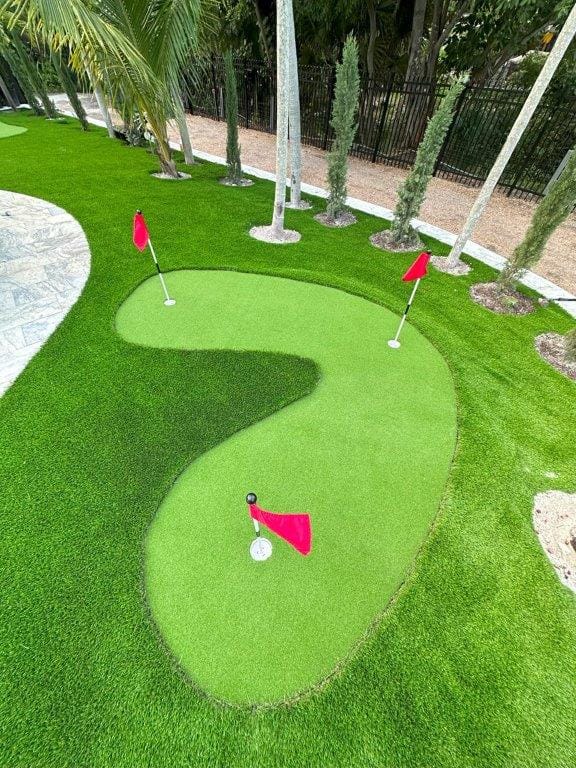
Residential court construction can turn unused outdoor space into a dedicated recreation area. The layout, surface, fencing, lighting, and other features can be selected around the property’s available space and intended use.

HOA, Club, Community, and Sports Facilities
Shared-use projects often require more planning around traffic, access, durability, drainage, and maintenance. We can design court solutions for HOAs, clubs, community spaces, and larger recreational or sports facilities.

For projects that need a more tailored approach, our custom court designs can be developed around the property, sport, and project goals.
Types of Courts We Build in South Florida
The right court depends on the sport, available space, intended users, and how the area will be used. Each project may require different planning for layout, surface, drainage, markings, fencing, lighting, equipment, and surrounding features.
- Tennis Courts: Designed around proper court dimensions, surfacing, drainage, fencing, lighting, and line markings.
- Pickleball Courts: Planned with accurate layouts, suitable surfaces, clear markings, and practical space for regular play.
- Basketball Courts: Built for residential, recreational, or facility use with appropriate flooring, markings, drainage, fencing, and lighting.
- Padel Courts: Developed with sport-specific layouts, structural framing, glass walls, artificial turf, and enclosed court features.
- Multi-Sport Courts: Designed to support multiple activities through coordinated surfacing, equipment, markings, and efficient use of space.
A well-planned court should fit the property as well as the sport itself. DLS Turf Courts can help evaluate the space, intended use, and project requirements to create a practical court solution for South Florida properties.

Artificial turf can support different residential, commercial, recreational, and lifestyle purposes. The material and installation method should reflect where the turf will be placed, how often it will be used, and what performance features the property requires.

What Goes Into a Well-Built Sports Court
A durable sports court depends on more than the visible playing surface. Site preparation, grading, drainage, base work, surfacing, and finishing features all contribute to the finished result.
- Site preparation: Existing ground conditions, grading, access, and drainage can affect the construction plan.
- Surface and flooring: Acrylic surfacing, sports flooring, modular systems, and other options can be selected around the intended use.
- Court features: Fencing, windscreens, lighting, LED systems, and court markings can complete the playing environment.
- Drainage: Proper water management helps an outdoor court handle heavy rainfall more effectively.
The final system should be selected around the sport, property, traffic level, climate exposure, and long-term performance goals.
Court Construction South Florida Process From Planning to Completion
A clear construction process helps turn an idea into a practical project. The major decisions should be made before installation begins so the finished court matches the site and intended use.
Consultation and Project Planning
We begin by reviewing the available area, property conditions, intended use, access, and project requirements. Measurements, grading, drainage, and permitting considerations can help establish the project scope.


Design, Layout, and Material Selection
The court layout is developed around the selected sport or combination of sports. Surface materials, markings, fencing, lighting, and other components can then be chosen according to the project requirements.
Construction and Installation
The installation may involve site preparation, base preparation, drainage work, surface installation, markings, fencing, and other project-specific elements. Each stage should follow the approved scope and site conditions.


Final Completion
The finishing stage covers final markings, accessories, and a review of the completed court. Maintenance planning can then help preserve the playing surface and surrounding components. For broader athletic projects, our athletic court construction services provide another relevant path for larger or more varied court requirements.
South Florida Climate Considerations for Court Construction
South Florida conditions can influence both construction methods and material selection. Heat, humidity, UV exposure, rainfall, salt air, wind, and soil conditions all deserve attention during planning.

Heat, Humidity, and UV Exposure
Outdoor courts experience repeated exposure to heat, moisture, and strong sunlight. Durable materials and appropriate surface systems can help maintain performance under these conditions.

Rain, Drainage, and Soil Conditions
Heavy rainfall makes grading and drainage important from the start. Existing soil conditions can also affect water movement, preparation requirements, and the overall construction approach.

Coastal Air and Wind
Coastal properties may experience salt exposure that can affect exposed components over time. Material selection, corrosion resistance, and structural planning can therefore be important for certain sites.
Our Clients Reviews
REVIEWS
4.9


Resurfacing, Repair, and Court Conversion
An existing court does not always need a complete rebuild. Depending on the condition of the surface, drainage, base, layout, and intended use, resurfacing, repair, maintenance, or conversion may be the more practical solution.
- Court Resurfacing: Refresh worn playing surfaces while retaining a suitable underlying court system.
- Surface Repair: Address cracks, drainage concerns, damaged areas, markings, and other surface-related problems.
- Court Maintenance: Support ongoing court condition through regular inspection, cleaning, repairs, and minor improvements.
- Tennis-to-Pickleball Conversion: Adapt suitable tennis courts for pickleball based on dimensions, layout, surface condition, and use.
- Court Restoration: Improve older courts through resurfacing, repairs, updated markings, and other targeted upgrades.
The right approach depends on the condition of the existing court and the project goals. A professional assessment can help determine whether resurfacing, repair, restoration, or conversion is the most practical option.


What Affects Court Construction Costs
There is no single price that applies to every South Florida court project. The final cost depends on the court type, size, property conditions, preparation requirements, materials, drainage, and selected features.
- Court type and dimensions
- Site preparation and grading
- Base and surface system
- Drainage requirements
- Fencing and lighting
- Project complexity
- Installation scope
A project-specific estimate provides a more useful picture than a generic figure because every property has different construction requirements.
Choosing the Right Court Builder for Your Project
The right court builder should understand both the sport and the property. Look for relevant construction experience, strong site-planning knowledge, drainage expertise, suitable material recommendations, and a clearly defined scope of work. It is also worth reviewing completed projects, communication practices, scheduling, and how clearly the proposed construction is explained. A good contractor should make it easy to understand what will be built, how it will be installed, and what the project requires.
Plan Your South Florida Court Project
A successful court project begins with understanding the property, choosing the right court type, and defining the construction scope clearly. We can help you evaluate the space, layout, surfacing, drainage, and features needed for the finished court. When you are ready to discuss your project, contact our team with your property details and court goals so the next step can be planned around your specific requirements.
Faq
We can plan tennis, pickleball, basketball, padel, and multi-sport courts based on the available space, property conditions, and intended use.
The cost depends on the court configuration, site preparation, surface system, drainage, fencing, lighting, and overall project scope. A property-specific estimate is more useful than a general average.
Tennis court costs vary according to dimensions, site preparation, base and surfacing requirements, drainage, fencing, lighting, and project complexity.
The playing area has defined dimensions, but the complete project also needs room for surrounding clearances, access, fencing, and other site features.
Yes, an existing tennis court may be suitable for conversion depending on its condition, dimensions, surface, layout, and intended pickleball configuration.
Yes. A backyard court can be designed around the available space, intended sport, surface, markings, fencing, lighting, and other property-specific requirements.


