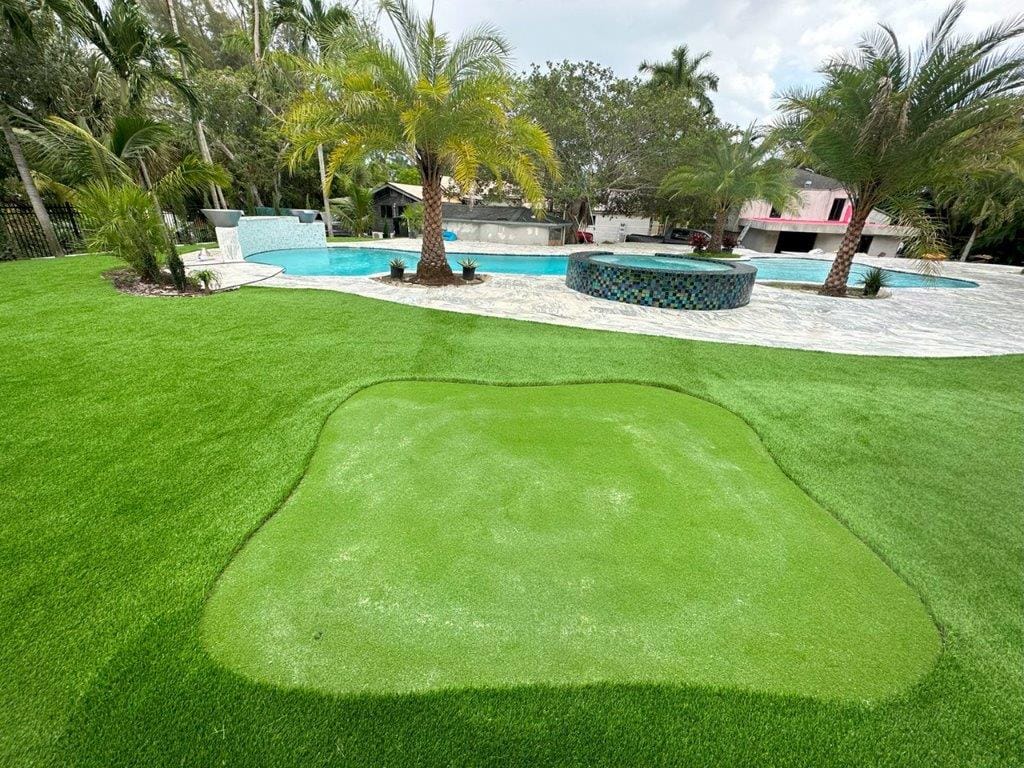
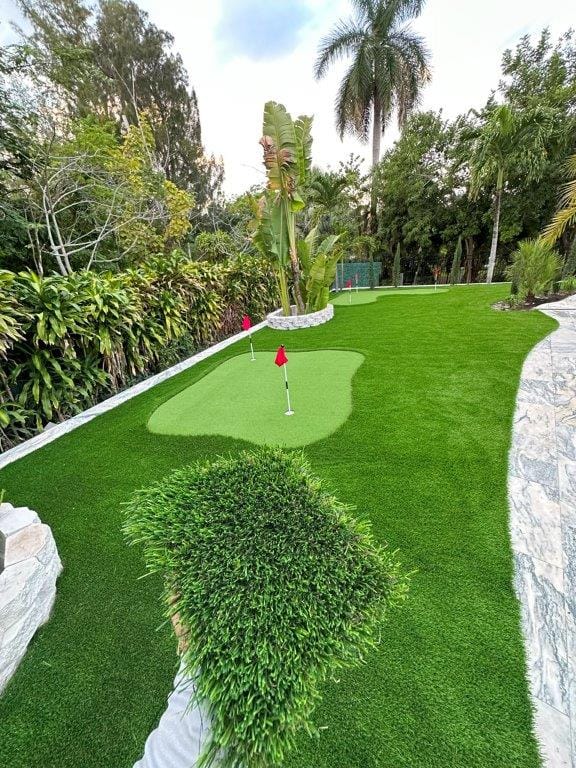
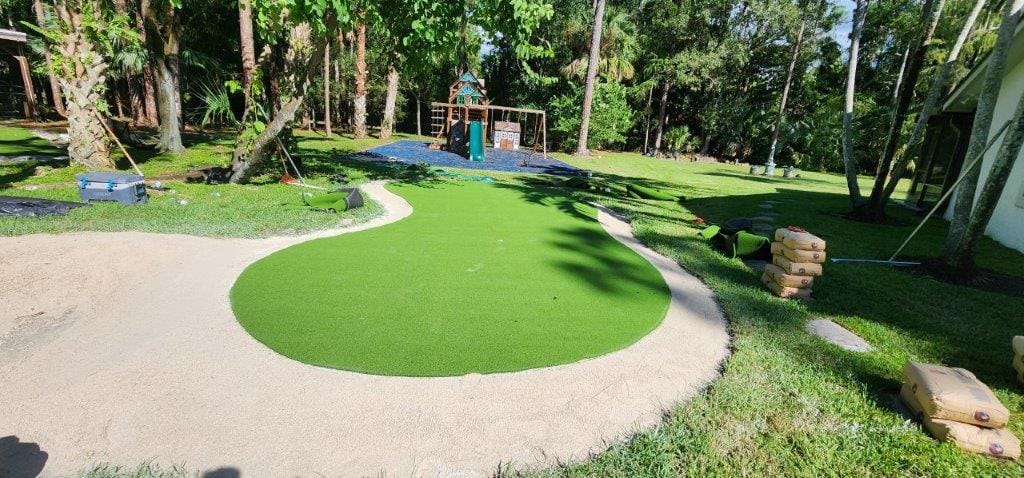
Artificial Turf Installation in Parkland, FL
A well-planned outdoor space should look good, support the way you use your property, and fit the level of maintenance you want to manage. Artificial turf installation in Parkland, FL gives homeowners and businesses a practical alternative when traditional grass becomes difficult to maintain or no longer suits the intended use of the space. DLS Turf Courts works with residential lawns, backyards, commercial landscapes, pet areas, poolside spaces, recreational applications, and custom turf projects throughout South Florida.
Property owners exploring broader turf options can also learn more about artificial grass installation in South Florida. The right installation is not simply about replacing natural grass with a synthetic surface. Turf selection, site preparation, drainage, base construction, layout, edging, and the intended use of the area all contribute to how the finished project looks and performs.
Artificial Turf Solutions for Parkland Homes and Businesses
Artificial grass can serve very different purposes depending on the property. Some homeowners want to transform an entire lawn, while others need a more functional backyard, pet area, poolside surface, or outdoor living space. Commercial properties may have different requirements based on traffic, appearance, accessibility, and long-term use, so the turf system should always be planned around the specific application.
Residential Lawns and Backyard Turf
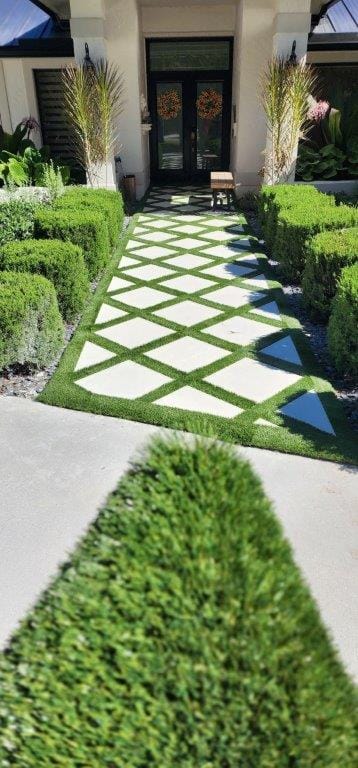
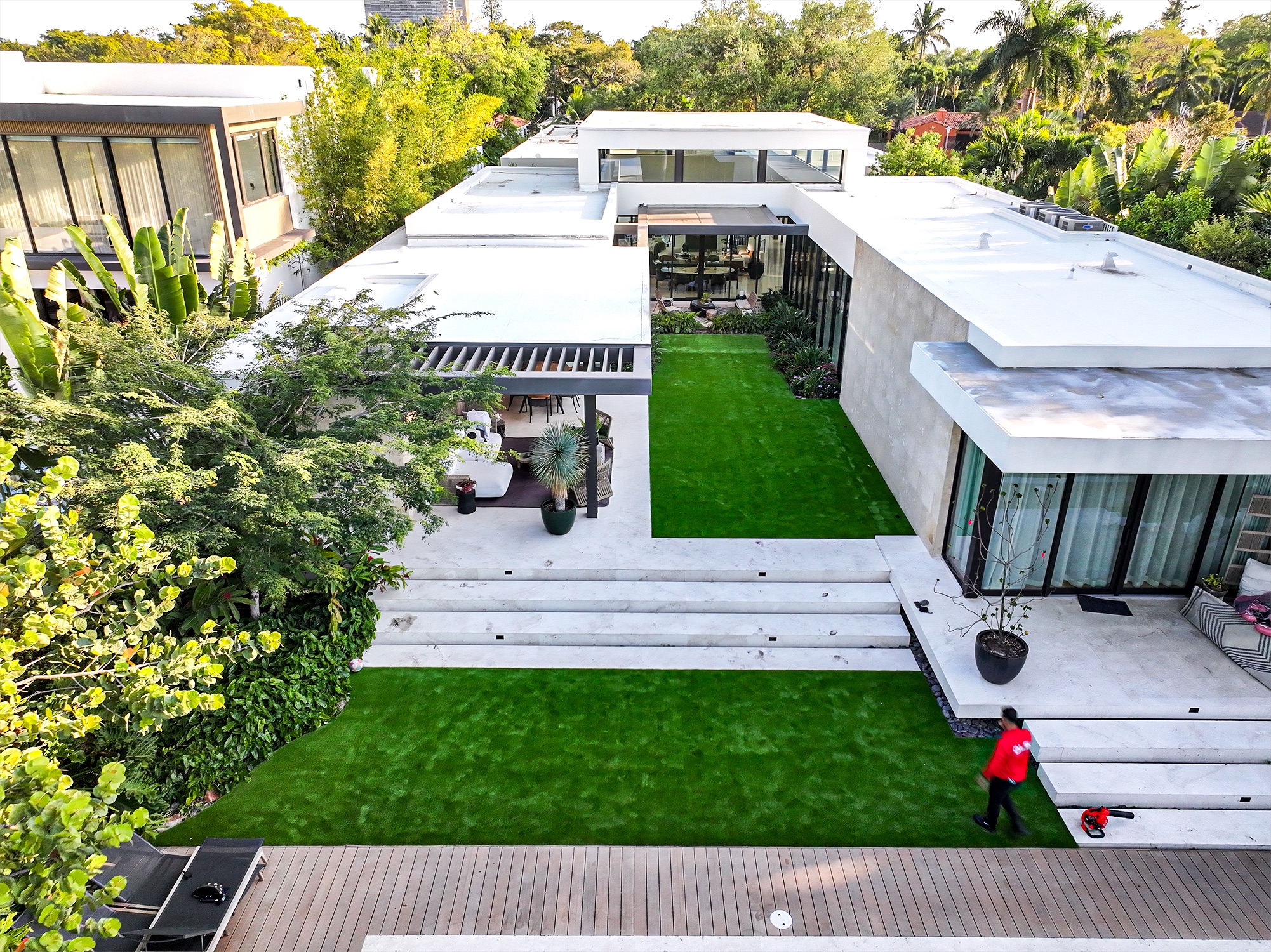
Residential artificial turf in Parkland, FL can work well for front lawns, side yards, backyards, and landscape sections where homeowners want an alternative to traditional grass. A backyard may support family time, children, pets, entertaining, or recreation, so the design should consider the yard shape, surrounding landscaping, drainage, walkways, patios, traffic patterns, and the overall appearance the homeowner wants to create.
Commercial Artificial Turf
Businesses and commercial properties can use commercial artificial turf in courtyards, landscaped entrances, outdoor gathering areas, recreational spaces, and selected green zones. Commercial turf planning should consider how frequently the area will be used, how people move through the space, drainage, nearby hardscape, access, and maintenance expectations. A heavily used commercial area may require a different turf solution from a lightly used decorative landscape.
Poolside, Patio, Pet and Play Areas
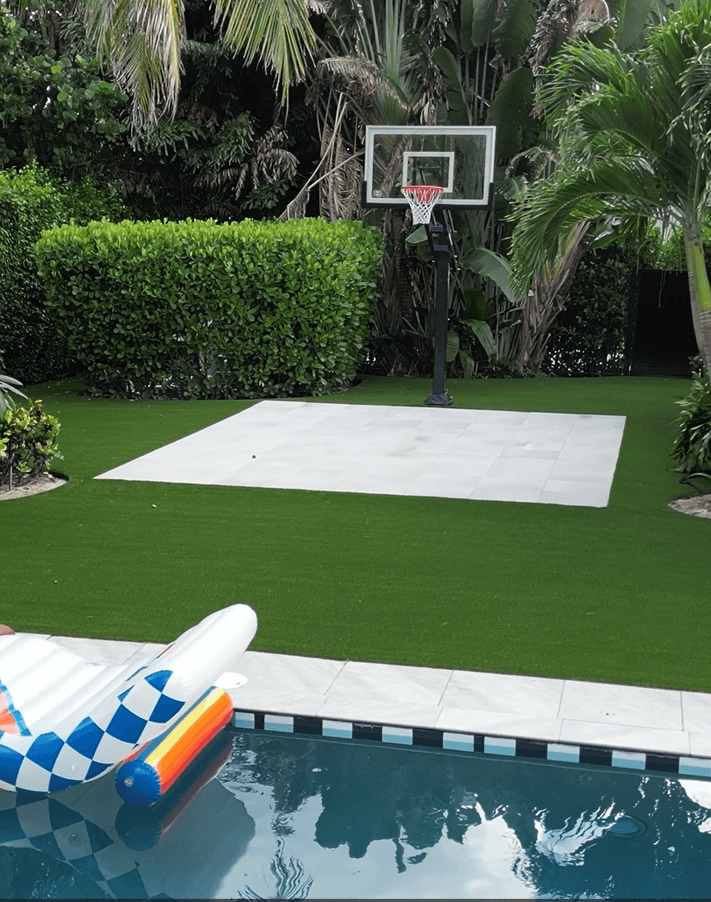
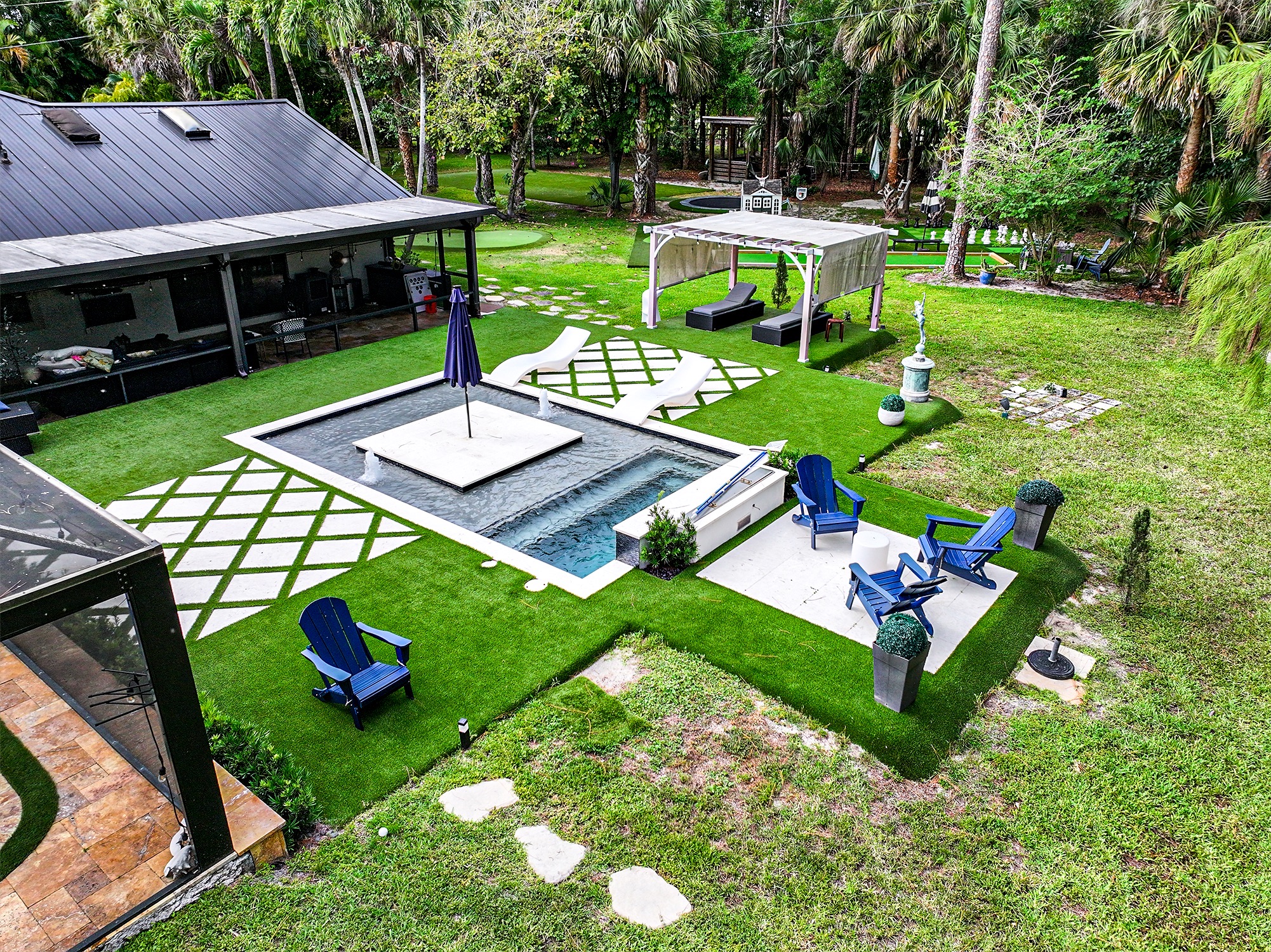
Artificial turf can also be incorporated into specialized outdoor spaces. Poolside turf can soften the transition between landscaping and hardscape, while patios may use turf as part of a wider outdoor design. Pet areas require particular attention to drainage and cleaning, and homeowners planning spaces for dogs can review DLS Turf Courts’ artificial grass for pets in Florida for more application-specific information.
Putting Greens and Recreational Turf
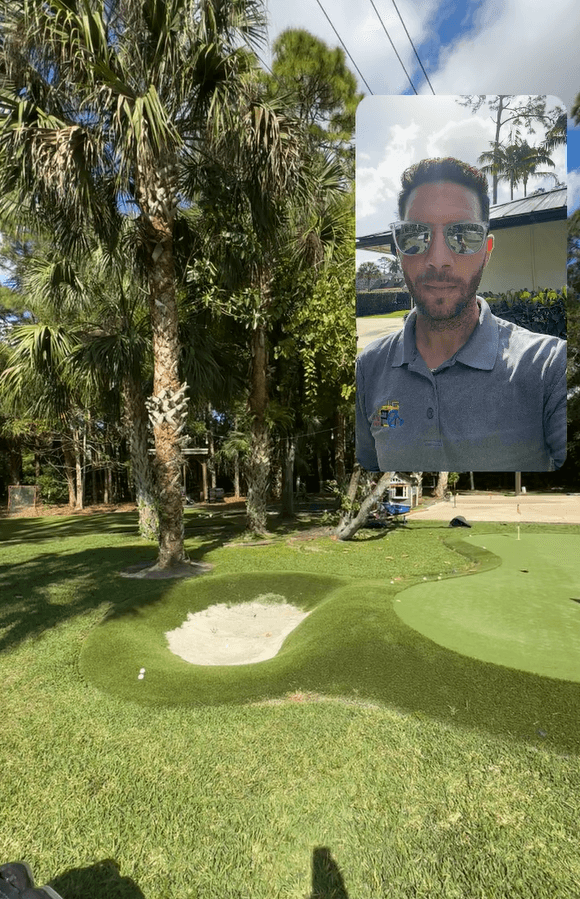
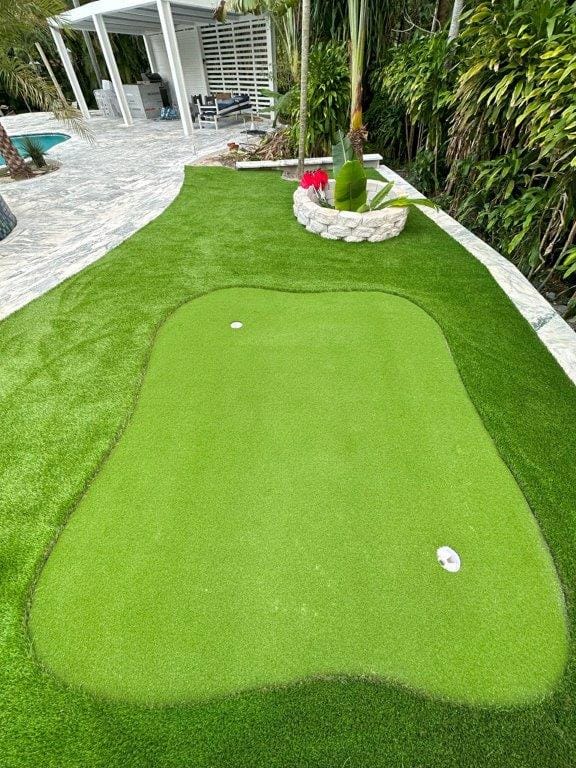
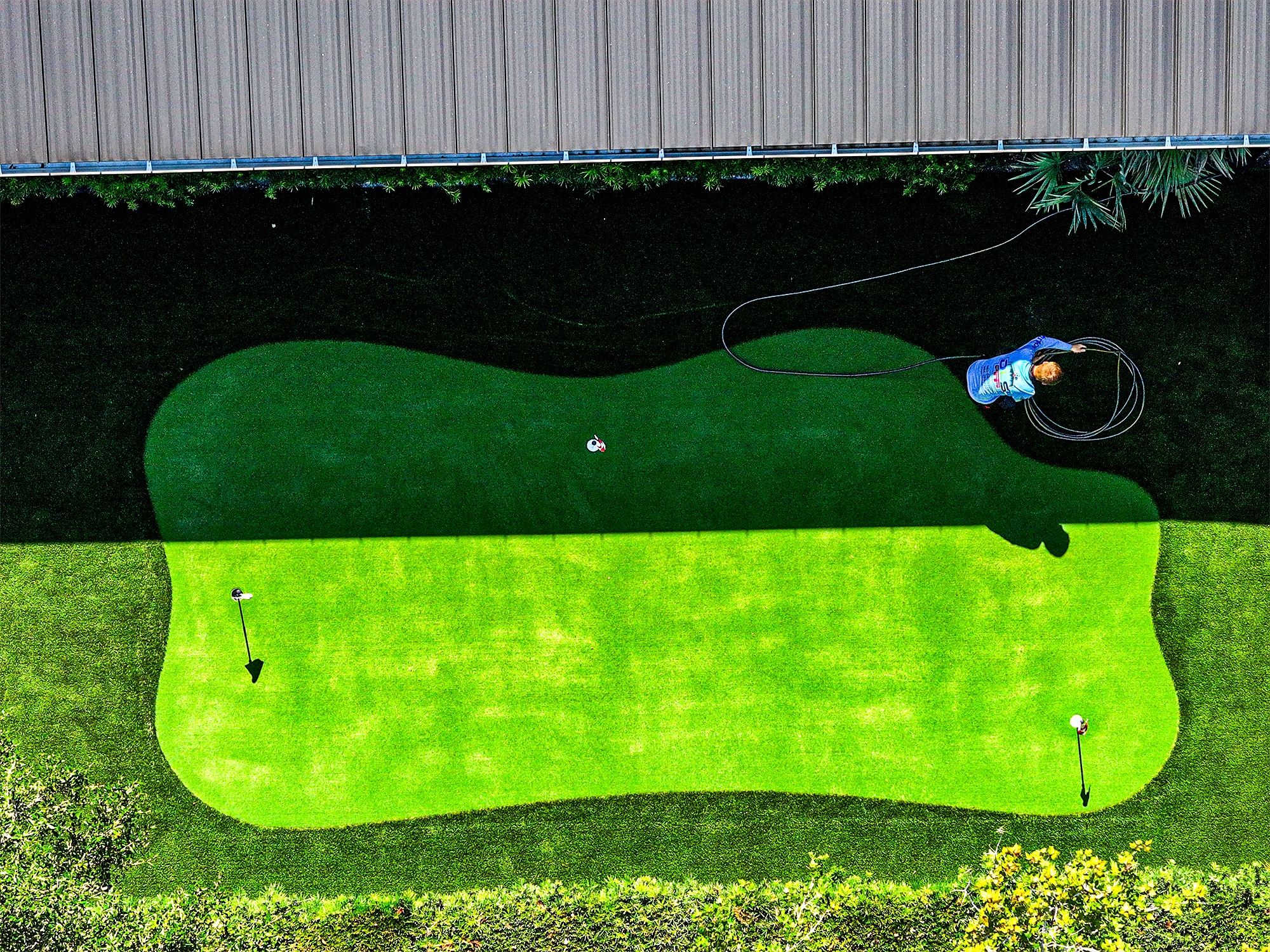
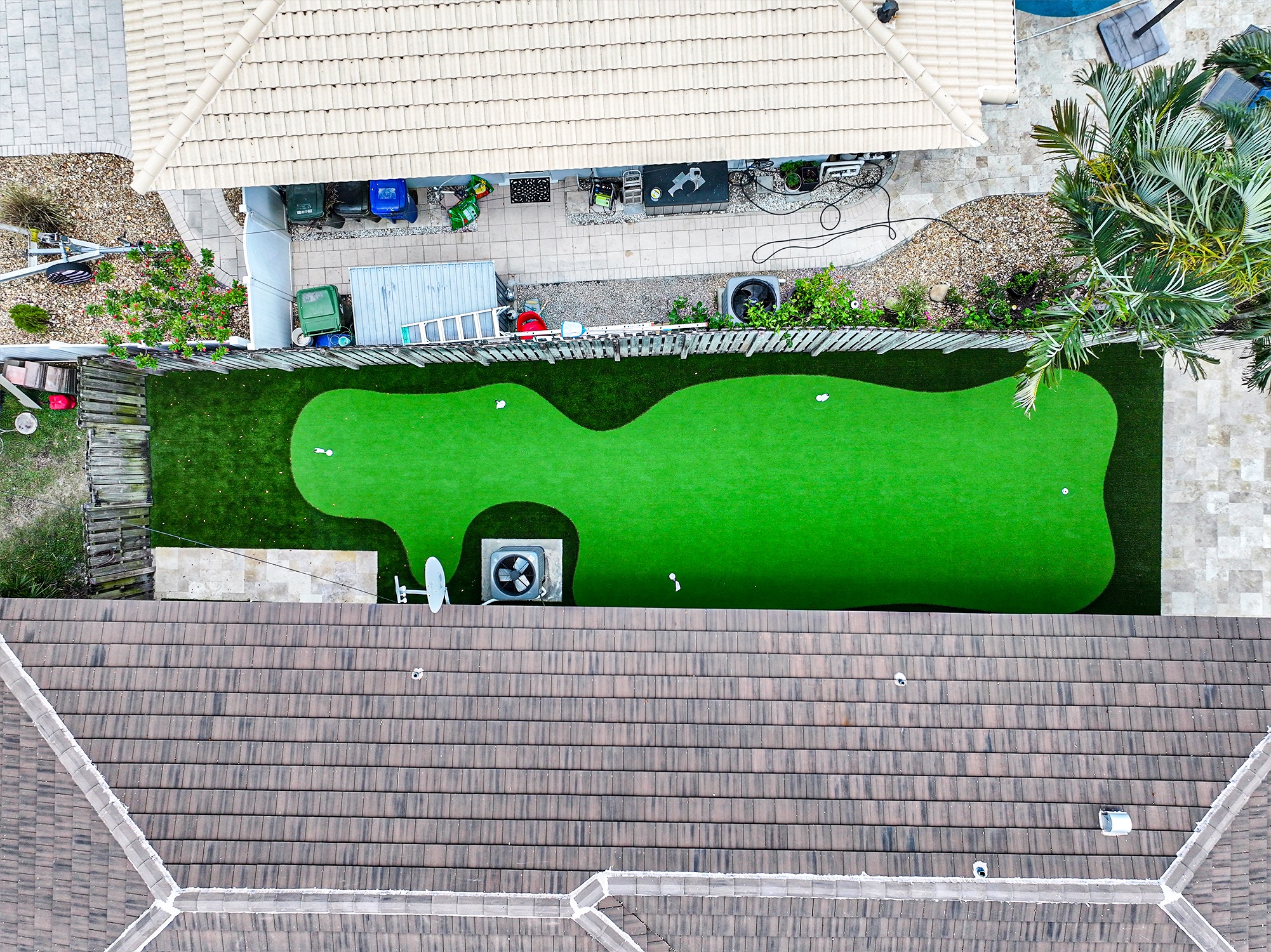
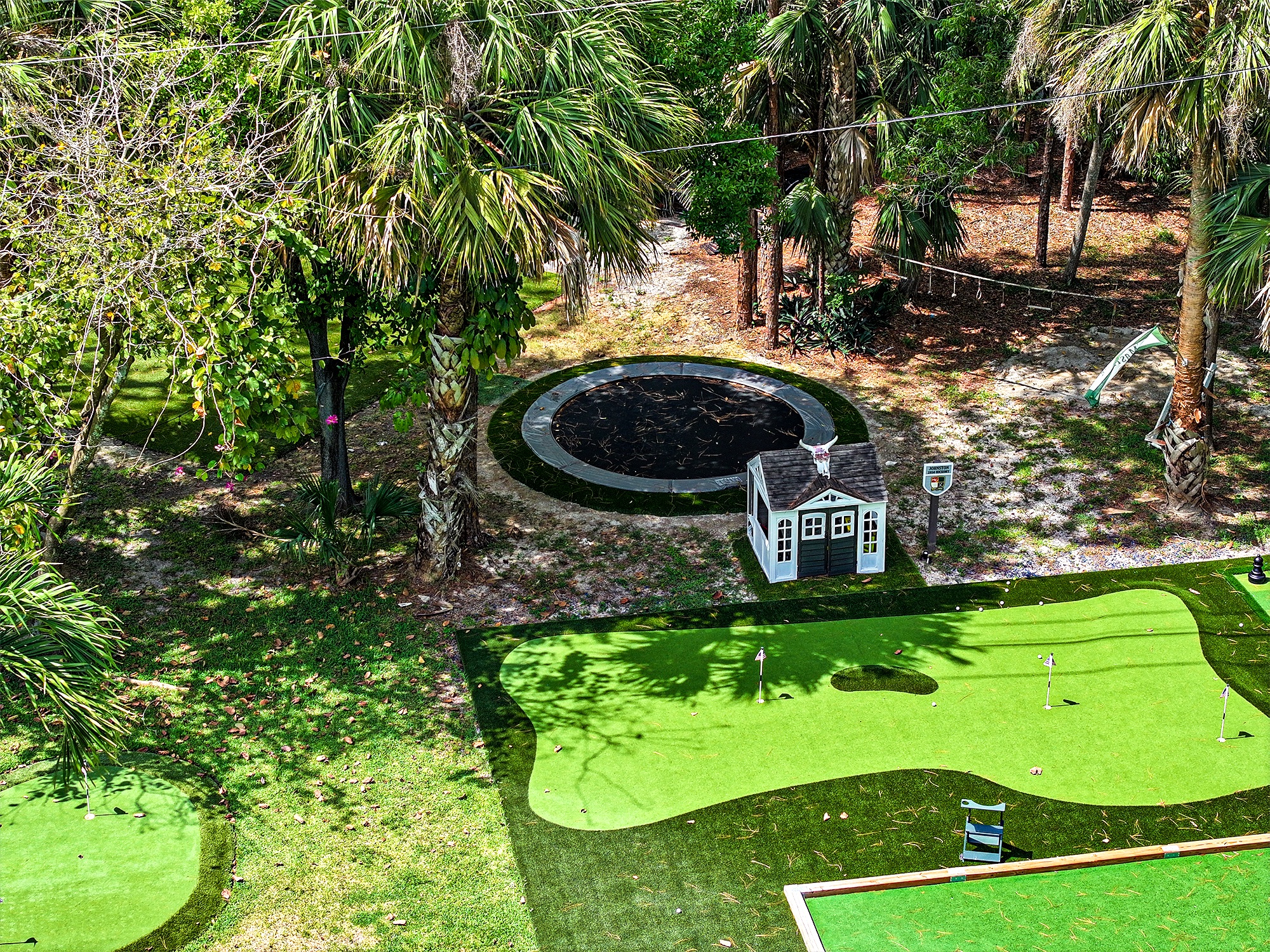
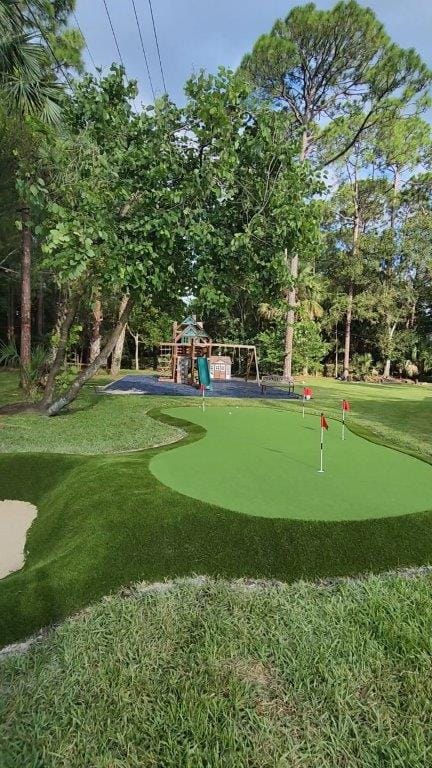
Homeowners who want more than a traditional lawn may also incorporate recreational turf into the property. A custom putting green installation in South Florida can turn part of a backyard into a practice and entertainment area. Recreational turf should be planned according to how the space will be used, the available layout, transitions, drainage requirements, and surrounding landscape features.
Why Choose Artificial Turf for a Parkland Property?
Choosing artificial grass is usually about more than creating a greener-looking lawn. Property owners may be comparing maintenance requirements, consistency, usability, drainage, appearance, and how much ongoing lawn care they want to handle. Artificial turf offers a different landscaping approach from natural grass, and understanding those differences can help determine whether it fits the needs of a particular Parkland home or commercial property.
Residential Artificial Grass Installation
Less Routine Lawn Maintenance: Natural grass requires ongoing care to stay healthy and presentable, which may include mowing, watering, fertilizing, weed control, and repairing damaged areas. An artificial lawn removes many of those growth-related tasks, although it still needs basic care. Leaves, debris, pet waste, and high-traffic sections should be managed regularly so the synthetic surface remains clean, functional, and visually consistent over time.
A Consistent and Functional Outdoor Surface: Artificial turf can provide a more consistent surface in areas where natural grass becomes worn, patchy, muddy, or difficult to maintain. Performance depends on more than the visible turf fibers because artificial turf durability can also be influenced by base preparation, drainage, seams, edging, infill, traffic, and ongoing maintenance. Turf material and installation quality should therefore be evaluated as parts of the same system.
Artificial Turf vs. Natural Grass: When comparing artificial turf vs. natural grass, there is no single option that fits every property. Natural grass provides a living landscape but requires recurring maintenance, while artificial turf provides a manufactured grass-like surface without mowing or routine growing requirements. The right choice depends on how the space will be used, maintenance expectations, drainage, pets, children, appearance preferences, budget, and long-term property plans.

Our Artificial Turf Installation Process
Professional artificial turf installation involves much more than placing synthetic grass over an existing surface. The finished turf is only one visible part of the project, while preparation, drainage, base construction, layout, seams, edges, and finishing all influence performance. Property owners planning more customized layouts can also review DLS Turf Courts’ custom turf designs and installations for additional information about tailored turf projects.
Consultation and Site Assessment
The installation process begins by understanding the property and what the owner wants to achieve. The size of the area, existing surface, intended use, expected traffic, landscaping, drainage, surrounding hardscape, curves, and custom features can all influence the project. A careful site assessment helps determine an appropriate turf solution instead of treating every lawn, backyard, or commercial property as an identical installation.


Custom Turf Design and Planning
Once the area has been evaluated, the layout can be planned around the property’s shape and intended function. A custom artificial turf installation may need to account for landscape beds, walkways, patios, borders, recreational areas, or several uses within one outdoor space. Effective turf design should balance appearance, movement, drainage, access, and the practical requirements of the people using the area.
Base Preparation and Drainage
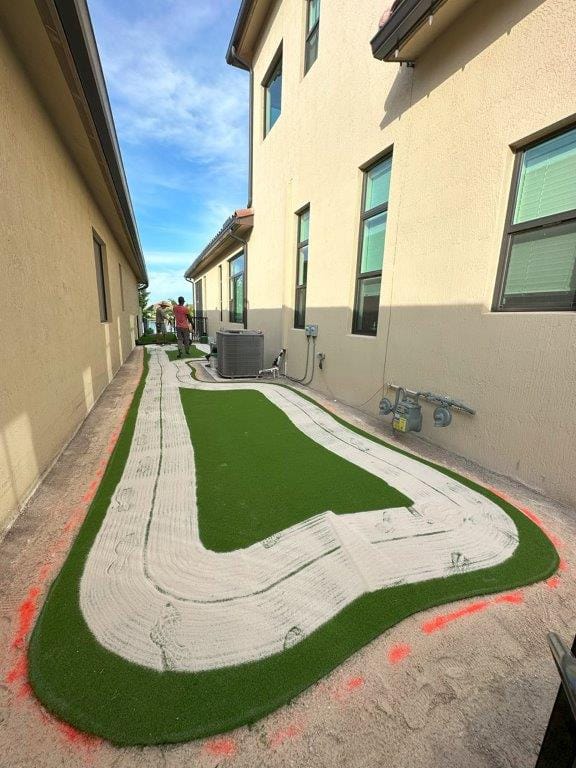
Much of the work that affects an artificial turf installation happens beneath the finished surface. Existing conditions should be evaluated before preparing the area for the new turf system, while a stable base helps support a more consistent finish. Appropriate grading and artificial turf drainage are also important because the installation needs to manage water according to the property’s existing layout and surrounding conditions.


Turf Placement, Seaming, Edging and Infill
After the installation area has been prepared, the turf can be positioned according to the approved design. Individual sections may need to be measured, cut, aligned, and joined so the surface appears consistent. Edges should fit cleanly around patios, landscaping, and borders, while turf infill, seams, transitions, and turf edging should be handled according to the particular turf system and application.
Final Walkthrough and Care Guidance
The final stage provides an opportunity to review the completed installation before the project is considered finished. Seams, edges, transitions, and the overall surface should be checked, while remaining installation debris should be removed from the area. The property owner should also understand basic care requirements, including debris removal, appropriate cleaning, and grooming of heavily used sections, so ongoing maintenance remains straightforward.

What Affects Artificial Turf Installation Cost in Parkland?
One of the most common questions from property owners is how much the project will cost. There is no reliable way to determine artificial turf installation cost from square footage alone because project scope can depend on turf selection, existing surface conditions, site preparation, drainage, accessibility, layout, custom features, and intended use. Two properties with similar dimensions may therefore require very different levels of installation work.
Project Size and Turf Selection
The total installation area influences how much turf and labor may be required, but square footage is only one pricing factor.
Turf products can differ in appearance, construction, feel, drainage characteristics, and intended application.
A residential lawn, pet area, commercial landscape, putting surface, or recreational space may require different material and installation considerations, so product selection should reflect the actual purpose of the project.


Site Preparation and Drainage Needs
- Existing site conditions can significantly influence the amount of work required before turf is installed.
- Preparation may involve addressing the current surface, creating an appropriate base, managing grading, planning drainage, and working around access limitations.
- This is why two yards with similar dimensions can still require different project scopes, especially when one has straightforward conditions and another has drainage issues or more complex preparation needs.
Layout and Custom Features
- Curves, landscape beds, hardscape transitions, narrow sections, custom borders, and recreational features can increase the amount of measuring, cutting, seaming, and edging involved in a project.
- Complex layouts may also require more detailed planning to create clean transitions between turf and surrounding surfaces.
- A property-specific assessment therefore provides a more useful basis for estimating installation requirements than relying only on a generic square-foot price.
Our Clients Reviews
REVIEWS
4.9


Artificial Turf Maintenance and Long-Term Care
Artificial grass does not require the same mowing and growing care as natural grass, but routine maintenance still helps keep the surface clean and usable. The amount of attention needed can vary based on traffic, pets, surrounding landscaping, nearby trees, and the purpose of the installation. Understanding these long-term care requirements before installation can help property owners choose a turf system that fits their expectations.
Routine Cleaning and Grooming
Basic artificial turf maintenance may include removing leaves and debris, rinsing the surface when appropriate, cleaning pet areas promptly, and grooming sections that receive frequent traffic. A decorative front lawn may require less attention than a backyard used every day by children or pets. Maintenance methods should always suit the turf product and application so routine care supports performance without unnecessarily damaging the surface.
Durability, Repairs and Replacement
Artificial turf can experience different levels of wear depending on its material, installation quality, traffic, drainage, maintenance, and daily use. If an issue develops around a seam, edge, heavily used section, or drainage area, the cause should be assessed before assuming complete turf replacement is necessary. Some problems may be localized, while others may indicate broader installation or material concerns that require further evaluation.
Understanding Artificial Turf Warranties
Warranty information should be reviewed before installation so property owners understand what protection may apply to the turf material, installation workmanship, or both. It is useful to confirm what is covered, what exclusions apply, whether maintenance requirements exist, and what documentation should be retained. Specific DLS Turf Courts warranty terms should always come from the individual proposal rather than assumptions based on general turf information.
How Do You Choose an Artificial Turf Installer in Parkland?
Choosing the turf product is only part of the decision because the installer is responsible for creating the complete system beneath and around it. When comparing artificial turf installers in Parkland, FL, property owners should look beyond turf samples and ask how the company approaches site preparation, base construction, drainage, seams, edging, product selection, finishing, maintenance guidance, and the overall project scope.
A professional artificial turf contractor should be able to explain why the recommended turf and installation approach fit the specific property. It is also useful to understand what the estimate includes, whether the company has experience with similar applications, how drainage will be handled, and what warranty or care information will be provided after the installation is complete.
DLS Turf Courts for Parkland Turf Projects
DLS Turf Courts serves communities across South Florida, including Parkland. Property owners who want to understand the company’s broader geographic coverage can review its South Florida service areas. Each project begins with the property itself, including its layout, existing conditions, drainage, intended use, and design goals, so the finished turf system can be planned around the actual space.
Property-Focused Planning
Every turf project starts with a different property, which means the layout, existing ground conditions, expected traffic, drainage, surrounding landscaping, and design goals should all influence the plan. Property-focused planning helps determine what type of turf and preparation approach may be appropriate rather than forcing the site into a standard template that does not reflect how the finished outdoor space will actually be used.
Custom Design Options
Some properties need a simple lawn replacement, while others involve curves, recreational areas, hardscape transitions, patios, landscape beds, or several functional zones within one yard. A custom design approach helps coordinate these elements so the turf works visually and practically with the surrounding property. This can be particularly useful when the project combines landscaping, recreation, pets, entertaining, or multiple outdoor uses.
Installation From the Ground Up
A complete turf installation considers far more than the visible grass fibers. Base preparation, drainage, layout, positioning, seams, edging, infill, and finishing all contribute to the way the surface looks and performs. Treating these stages as one connected installation process helps reduce the risk of focusing only on turf appearance while overlooking the underlying components that support the finished outdoor space.
Final Review and Ongoing Care
The project should conclude with a review of the finished turf, including its seams, edges, transitions, and general appearance. Property owners should also receive clear guidance about routine care so they understand how to remove debris, clean the surface when needed, and manage heavily used areas. This final step helps make the transition from installation to everyday use easier and more predictable.
What Should You Know Before Requesting a Turf Estimate?
You do not need to understand every technical detail before talking with an installer, but having basic information about the property can make the first conversation more productive. Consider where you want turf installed, how the space will be used, what surface exists now, whether pets or children will use the area, and whether you have noticed drainage, access, or landscaping challenges.
It also helps to identify whether the project involves a front lawn, backyard, commercial space, pet area, poolside installation, putting green, or another custom feature. These details give the installer a clearer starting point for evaluating the property, discussing suitable turf options, and determining what preparation or design considerations may be necessary before a detailed project estimate is prepared.
Frequently Asked Questions About Artificial Turf Installation in Parkland
There is no verified universal DLS Turf Courts average price that accurately represents every Parkland project. Installation requirements can vary according to square footage, turf selection, site preparation, base work, drainage, accessibility, layout, and intended use. A property-specific assessment therefore provides more reliable pricing information than assuming that one average cost will apply to every artificial lawn installation.
The total cost of an artificial lawn installation depends on more than the turf material itself. Site preparation, base requirements, drainage, accessibility, seams, edging, infill, and custom design features can all influence project scope. For this reason, the most reliable DLS-specific price should come from an assessment and individual project quote rather than a generic artificial turf cost estimate.
Artificial turf, artificial grass, and synthetic turf are commonly used to describe manufactured grass-like surfaces and often overlap in everyday landscaping discussions. Individual products can still differ in blade construction, density, backing, drainage characteristics, texture, and intended use. For a property owner, choosing a turf system that matches the application is usually more important than focusing on which of these common terms is used.
Drainage should be considered when planning an artificial turf installation because water needs an appropriate way to move through or away from the finished area. The right approach depends on existing site conditions, grading, the base system, surrounding landscaping, and property layout. Drainage should therefore be evaluated during project planning rather than treated as a universal one-size-fits-all component.
Artificial turf can be used for pet areas when the turf and installation approach are selected with that purpose in mind. Drainage and regular cleaning become particularly important because pet spaces require routine waste removal and surface care. The best plan should consider how frequently pets will use the area, how water moves through the space, and what maintenance the property owner can manage.
Artificial turf can be incorporated into poolside landscaping when the surrounding property and surface conditions are suitable. Planning should consider drainage, nearby hardscape, transitions, edges, traffic, and the way the pool area is used. A site-specific assessment helps determine the most practical turf layout and installation approach instead of assuming every poolside environment requires the same design.
Yes. Artificial turf requires less growing-related maintenance than natural grass, but basic care is still necessary. Routine maintenance may include debris removal, rinsing when appropriate, cleaning pet areas, and grooming high-traffic sections. The specific care routine should match the particular turf product, location, and application so the surface remains clean, functional, and visually consistent over time.
Ask how the installer plans to handle site preparation, base construction, drainage, turf selection, seams, edges, infill, and final finishing. You should also understand what the proposal includes, what maintenance is recommended, and what warranty information applies. These questions help you compare the overall installation scope and quality rather than choosing a contractor based only on the lowest quoted price.
Ready to Plan Your Artificial Turf Installation in Parkland?
Whether you want to upgrade a residential lawn, redesign a backyard, improve a commercial landscape, create a pet-friendly area, install poolside turf, or plan another custom application, the next step is evaluating your property and intended use. DLS Turf Courts can discuss your goals, review the installation requirements, and help determine what type of turf plan may fit your Parkland project. You can contact DLS Turf Courts to discuss your artificial turf project and learn more about the next steps.


